When To See A Dermatologist For Age Areas And Skin Worries
They do not harmed, and they don't typically become anything harmful, however they can often resemble skin conditions that do call for medical attention. National Library of Medication, age places can be grey, tan, brownish or black and appear as level places on your skin. They can look like round, oval or irregularly shaped lesions of numerous dimensions. Most individuals generally experience age places in sun-exposed distribution including on their face, shoulders, back, hands and feet.A variety of medical treatments can get rid of or minimize age spots, however these treatments do carry some risk of negative effects and issues. A dermatologist might prescribe bleaching creams to assist fade the age areas slowly. These creams usually have hydroquinone and in some cases retinoids, such as tretinoin. A skin doctor or healthcare professional will usually diagnose age spots with an aesthetic inspection, a biopsy, or both. Below's what to understand about age places, including why they take place, feasible risk variables, and exactly how to remove them.
- You can additionally discover plenty of non-prescription (OTC) lotions marketed as therapies for age spots.That's why it is very important to have these areas analyzed by a physician or dermatologist.Thankfully, there are many great treatments that can reduce the appearance of age areas.If your lesion is not hazardous, you may still intend to remove it for cosmetic factors.If healthy pink intact and non pigmented skin is exposed treatment will certainly continue in the very same blood vessel up until complete elimination of the acne is attained.For sun damage that is spread over a big area, extreme pulsed light (IPL) sends out numerous wavelengths that target lots of tones of red and brown.
Many individuals do not establish age areas until age 50 or older because of collective time invested in the sun over many years. This skin staining can show up in any kind of location of the skin exposed to the sun, the majority of typically on the hands, arms, shoulders, face and scalp. Spots can range in dimension from freckle dimension to a half inch and might be expanded or appear grouped with each other on the skin. For the most part, sunspots are not hazardous and call for no treatment, though they might cause cosmetic worries for some. For more well-known pigmentation, in-office procedures commonly supply more significant improvement.
Avoidance
Age areas, which are tiny, level, brownish or tan areas that usually show up on the face, hands, shoulders, or arms, are usually harmless. However if you have actually noticed new places or modifications in your skin, it's constantly an excellent idea to be cautious. Your skin specialist, Dr. Vernon Mackey at Advanced Desert Dermatology in Peoria, AZ, can clarify when age places and other skin problems need evaluation. They are a common skin problem, particularly amongst those over 50.

Top 7 Points To Understand About Brown Spots
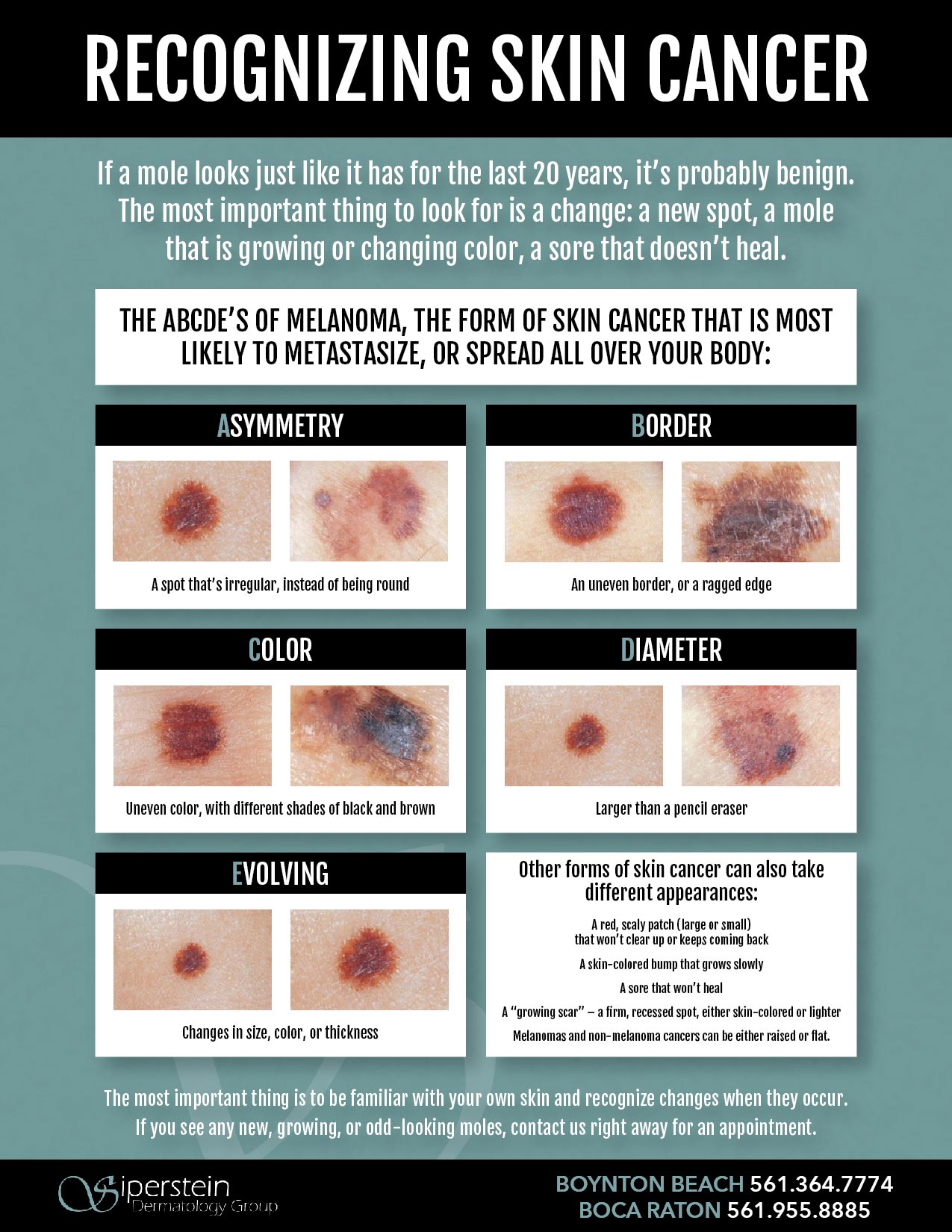
A cancer malignancy can appear as a transforming mole with uneven boundaries in tones of brownish and various other colors. This malignant lesion has the greatest likelihood of spreading to lymph nodes and internal organs. With early discovery and therapy, 95 percent of melanoma situations are treatable.
Solar Exposure
Age areas can happen in any person, but there are numerous threat variables that might increase the probability of creating the problem. Redheads with fair skin have a higher possibility of developing solar flare, along with anybody who experiences extended sun exposure or sunburns. Age spots are brown, grey or black places that appear on the skin. They are normally the exact same texture as the skin, simply differ in color from other areas.